Meritage Homes: Built to Be Better
June 16, 2026
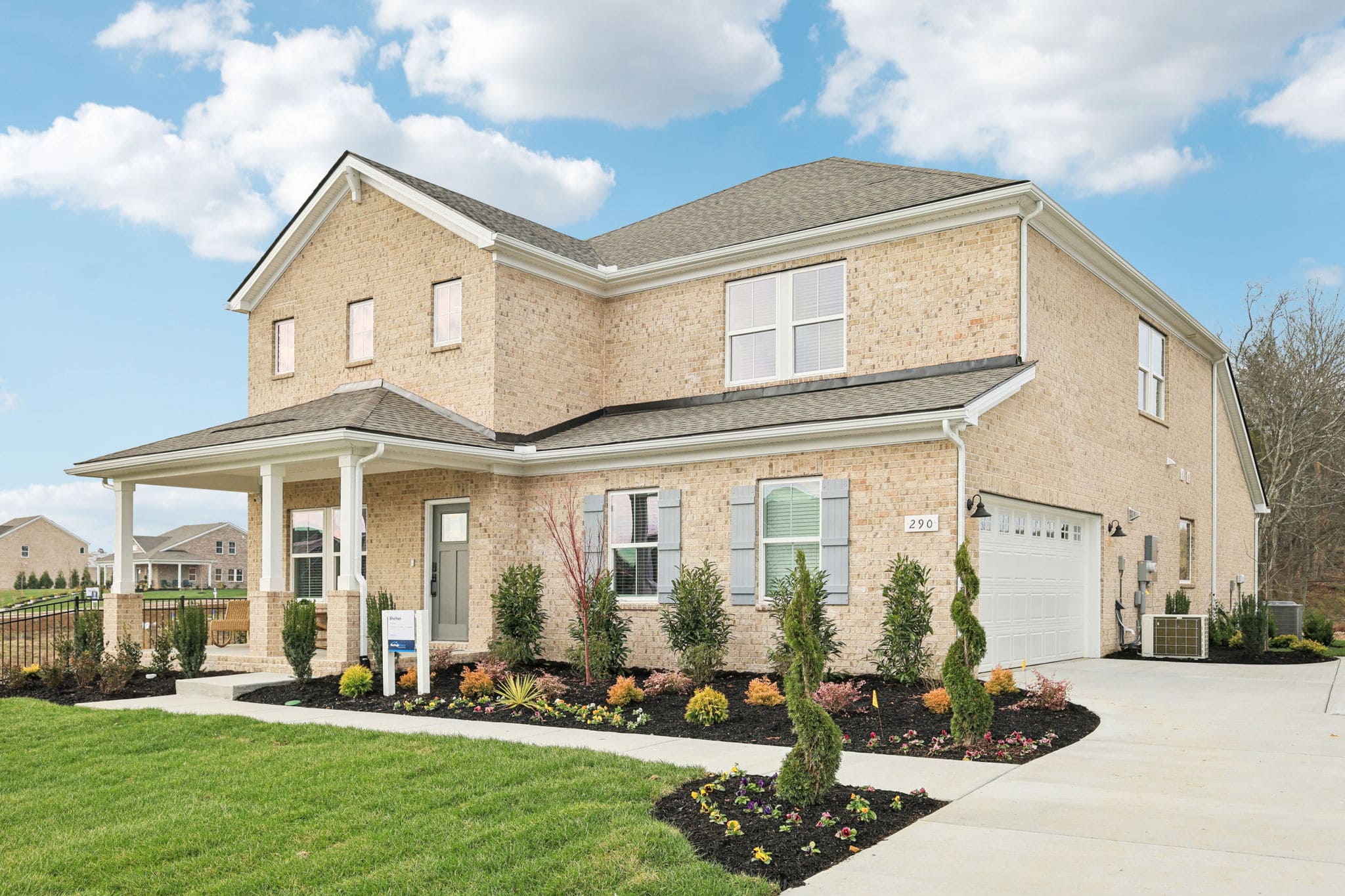
In a housing market that increasingly includes long timelines, shifting costs, and — for many customers — design decisions that can feel overwhelming, Meritage Homes has built its business around certainty.
Build first. Deliver fast. And make sure homebuyers know what they are buying. Meritage builds entry-level spec homes that are optimized for quality, operational efficiency and getting homebuyers into homes quickly.
“We’re really focused on that entry-level buyer,” said Jeff Lear, VP of National Operations at Meritage Homes. “They’re not looking to wait six months for a home.”
Because of this, Lear explained, Meritage’s competition isn’t often other builders; it’s the existing resale home down the street.
From the Ground Up
Back in 1985, Meritage began as a small Arizona builder focused on higher-end, semi-custom homes. Over time, through mergers and a series of strategic decisions, they have grown into one of the largest homebuilders in the country.
Today, they’ve delivered more than 200,000 homes cumulatively and built a reputation around energy efficiency, speed, and consistency.
But the most important shift wasn’t geographic or financial, it was philosophical.
Instead of becoming trapped in the complexity of endless options and the long timelines and delays that come with them, Meritage simplified its business by leaning into a spec building model. They standardized decisions. Variability was designed out. And they asked a different question than most builders: “How do we make this easier for everyone involved in the transaction?” Meritage dug into whether there was a better way to streamline and reduce friction for homebuyers, realtors, trades and internal teams.
The answer to that question showed up in how they build and, sometimes, in not-so-obvious ways. By pursuing innovations in every major component, Meritage sought ways to simplify, maintain efficiency and uphold its high-quality standards. As a proof point, the company prioritized prefabricated roof trusses and wall panelization to streamline construction and reduce cycle times from a historical average of 120 calendar days to below 110 by 2025.
They also implemented a three-pronged go-to market strategy that goes beyond the build: a 60-day closing guarantee, buyer incentives like appliances and blinds to give customers peace of mind that their home will be move-in ready, and finally, an active approach and commitment to treat realtors like an extension of their sales and marketing teams.
A Shift Most Didn’t See
For Meritage, building at a national scale with a promise of predictability means any variability becomes a problem. When building across hundreds of communities, multiple climates, and dozens of subcontractor teams, even small inconsistencies add up. So, it was back to their key question — “How do we make this easier for everyone without sacrificing quality?” Floor framing emerged as a critical opportunity for standardization—allowing Meritage to drive efficiency and consistency from home to home while reinforcing, rather than compromising, build quality.
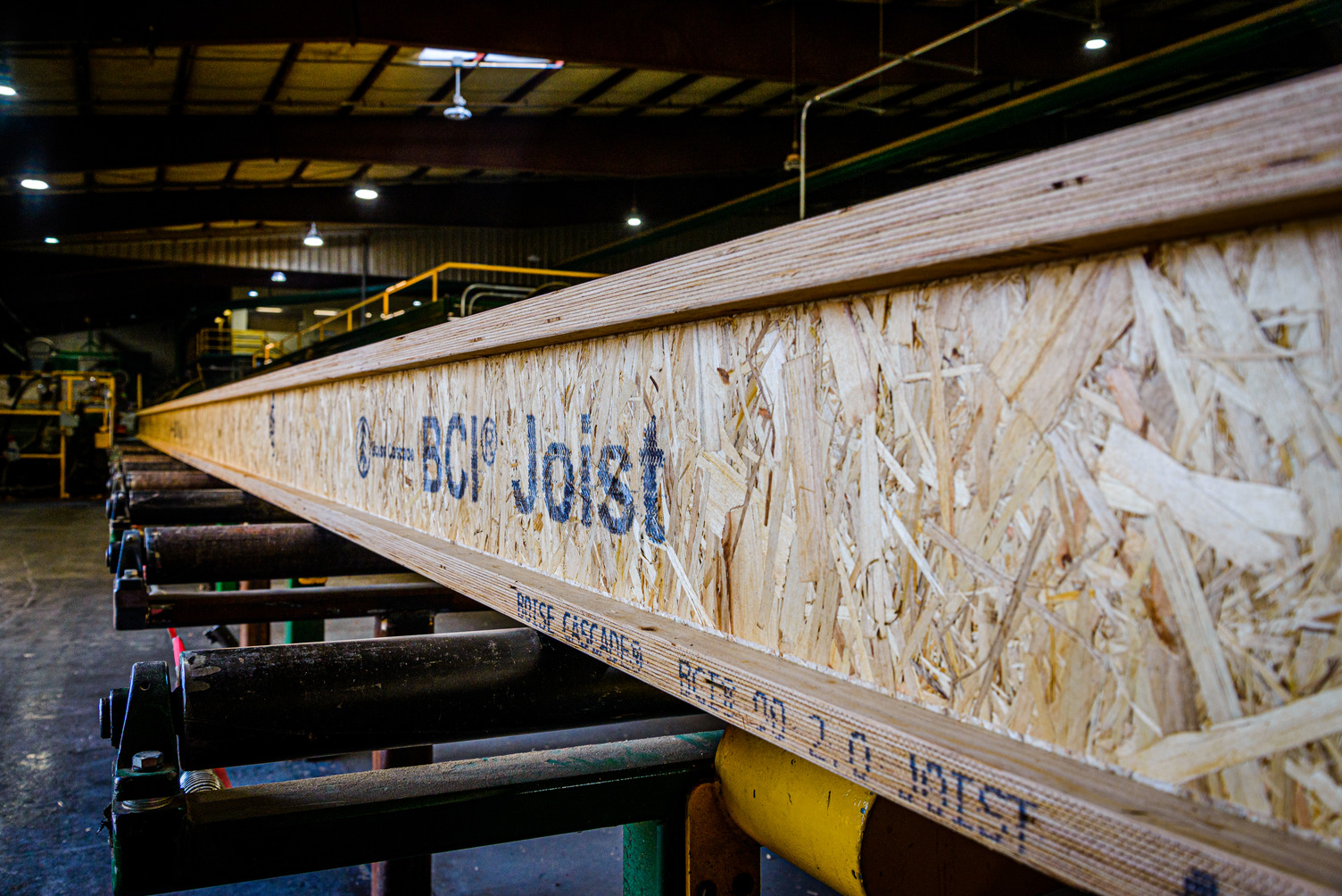
One of the answers? BCI® joists.
“I’m a fan of the I-joist product,” Lear said. “It’s stronger, more reliable, and more consistent. It’s cleaner and ultimately more valuable to the homeowner.”
It was a steady transition. Market by market, conversation by conversation, the company worked to educate its operations teams and build partnerships with suppliers to enable the shift.
“We’ve worked closely with all of our partners to make sure we’re aligned, and that takes time. It’s not something you change overnight,” Lear said.
Today, in markets where I-joists are used, Meritage has standardized around Boise Cascade BCI joists.
That decision wasn’t just about the product. It was about reducing friction at every step of the process so that:
- Material handling was improved, with cleaner staging.
- Installation time was faster, which helped projects stay on schedule and reduced stacking of trades.
- Crews benefited from consistency in install and materials, which minimized callbacks and made inspections smoother.
All proved to be incredibly valuable to Meritage and for field crews. And for the homeowner? The floors feel solid, quiet, and comfortable.
“It is important to have a floor system that performs the same way across multiple regions as a national builder. I mean, the confidence and reassurance are invaluable. There are fewer warranty calls because we’re using I-joists versus open web. There’s less bounce in the floors without the squeaks,” explains Lear.
A Culture That Brings It All Together
Making a conscious effort toward streamlining processes for building homes and for purchasing doesn’t happen overnight. But it was made easier for Meritage thanks to the company’s strong culture.
Some of the influences of that culture include corporate principles like integrity, strategic thinking, and empowering people to shape how decisions are made across the company. They show up in a company-wide focus on constant improvement for the sake of the customer, the company, and the company’s people.
But culture at Meritage isn’t just something written on a wall. In an industry so reliant on relationships, it also shows up in how the company works with its partners.
“Our ability to navigate the ups and downs of the industry really comes back to people,” Lear said. “It’s about the relationship.”
Suppliers aren’t just vendors. They’re extensions of the process. They’re expected to show up, respond quickly, and solve problems directly. From local reps in the field to executive-level communication, Meritage emphasizes openness and accountability.
Because when you’re building homes, consistency doesn’t just come from materials. It comes from people who know what they’re doing and care about doing it right.